
Insulation contractor in Santa Clara, CA - steady rooms in older valley homes
Thermal Gilroy Spray Foam Insulation insulates attics, walls and crawl spaces in Santa Clara homes and commercial buildings. We seal the gaps, clear out bad old material and add insulation so your rooms hold their temperature.
Request an estimate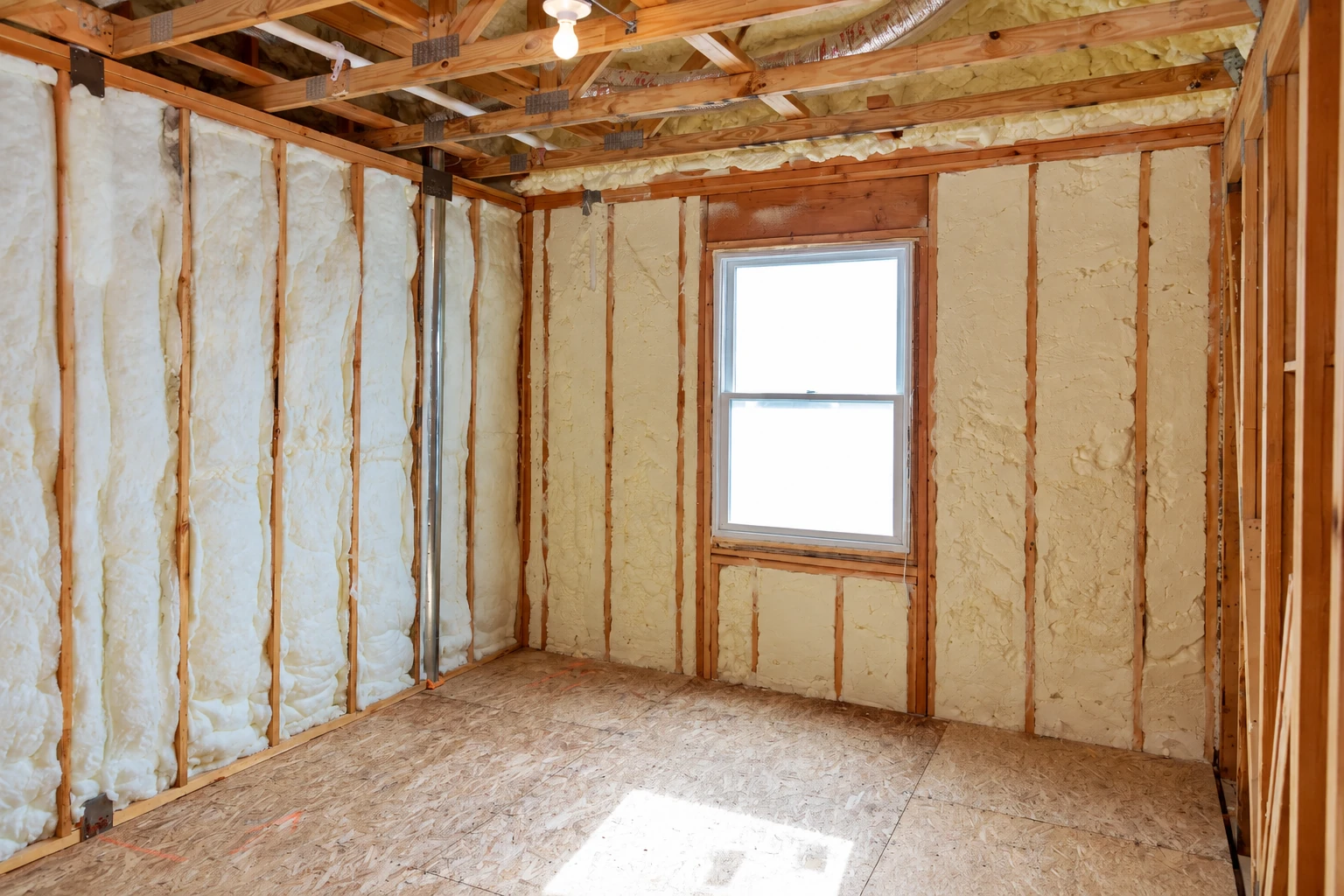
Santa Clara's older ranch houses and tight attics
Santa Clara is mostly flat valley floor, filled with single-story ranch-style houses from the decades after the war, newer townhomes and apartments, and plenty of office and tech buildings mixed in. A lot of it reminds us of what we see in Milpitas and Campbell, block after block of houses built quickly and insulated lightly for their time.
Those older houses usually have low, cramped attics reached through a small hatch in a hallway or closet, so a lot of our planning here goes into getting a person and a hose safely into a tight space without stepping through your ceiling.
What we work through on Santa Clara jobs
In Santa Clara, permits come from the city's building division through its Permit Center, and when a job needs one, the work waits until it's issued, so that's the piece that can move your start date. Before you hire anyone here, you can check two things. They should hold a California contractor license from the Contractors State License Board, and they should have a City of Santa Clara business license, which the city requires of every business working inside city limits, even ones based elsewhere the way we're based in Gilroy.
If your job needs a permit, we pull it and set up the inspections with the city, and I'll talk it through with you at the estimate. Santa Clara is a straight run up 101 from Gilroy, so we plan these jobs the same way we plan ones south in Watsonville. Your price turns on the size of the attic, what's already up there and whether it has to come out first, how many gaps need sealing, and whether foam or loose fill fits the house. The schedule turns on that same cleanup and on the permit, and the estimate visit is where you get a written plan for your own house.
What do older Santa Clara houses need most?
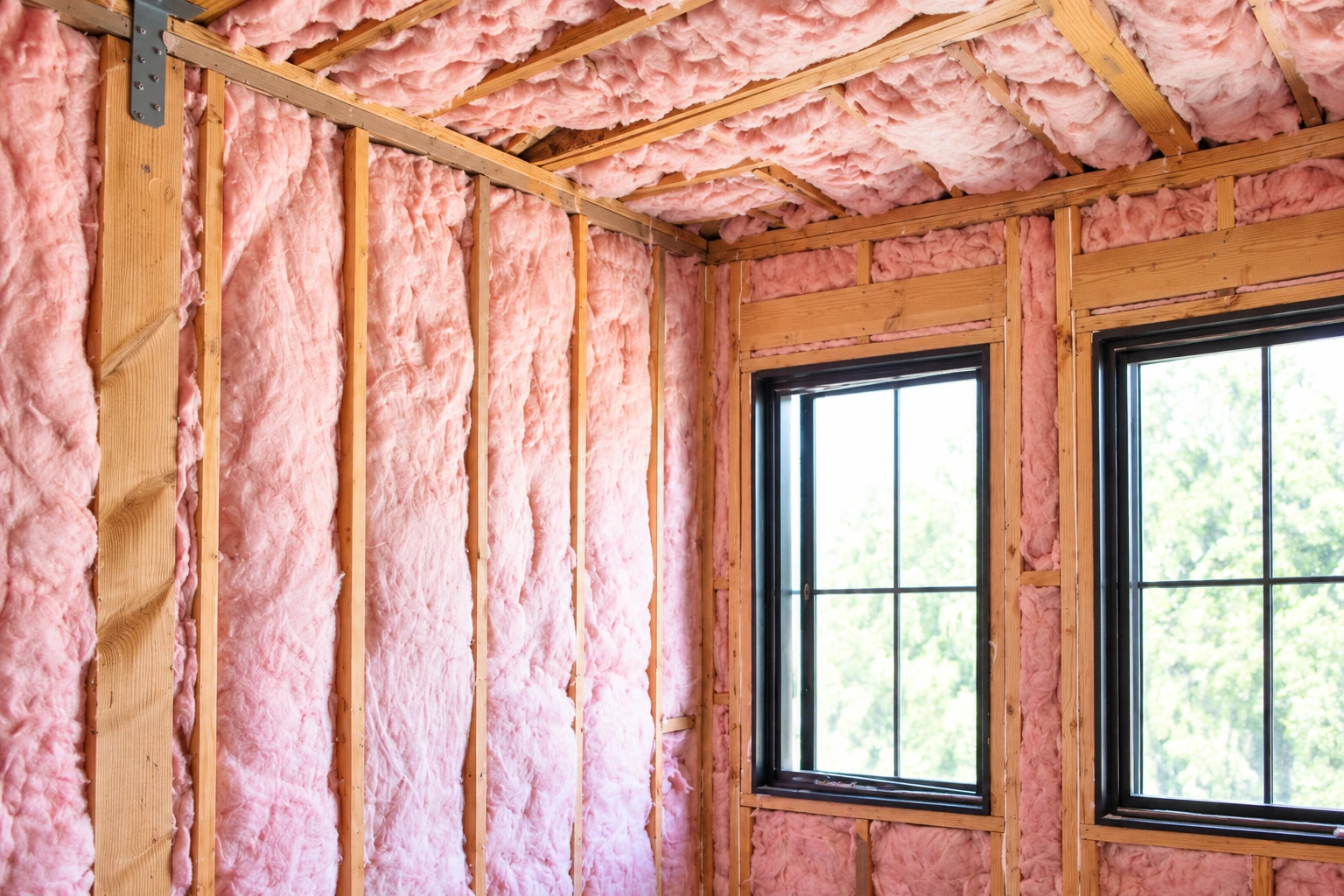
Most houses we open up here have a few inches of insulation that's settled, gotten dirty or been shoved aside by cable and alarm installers over the years, so the rooms below run hot in summer and drafty in winter. These low attics often hold the ductwork too, and that's when I'll steer you toward spray foam on the underside of the roof, because it costs more but seals air and insulates in one pass, which keeps the ducts out of the heat. With no ducts up there, sealing the gaps and topping up with blown-in insulation, loose fill blown through a hose, usually gets you more for your money.
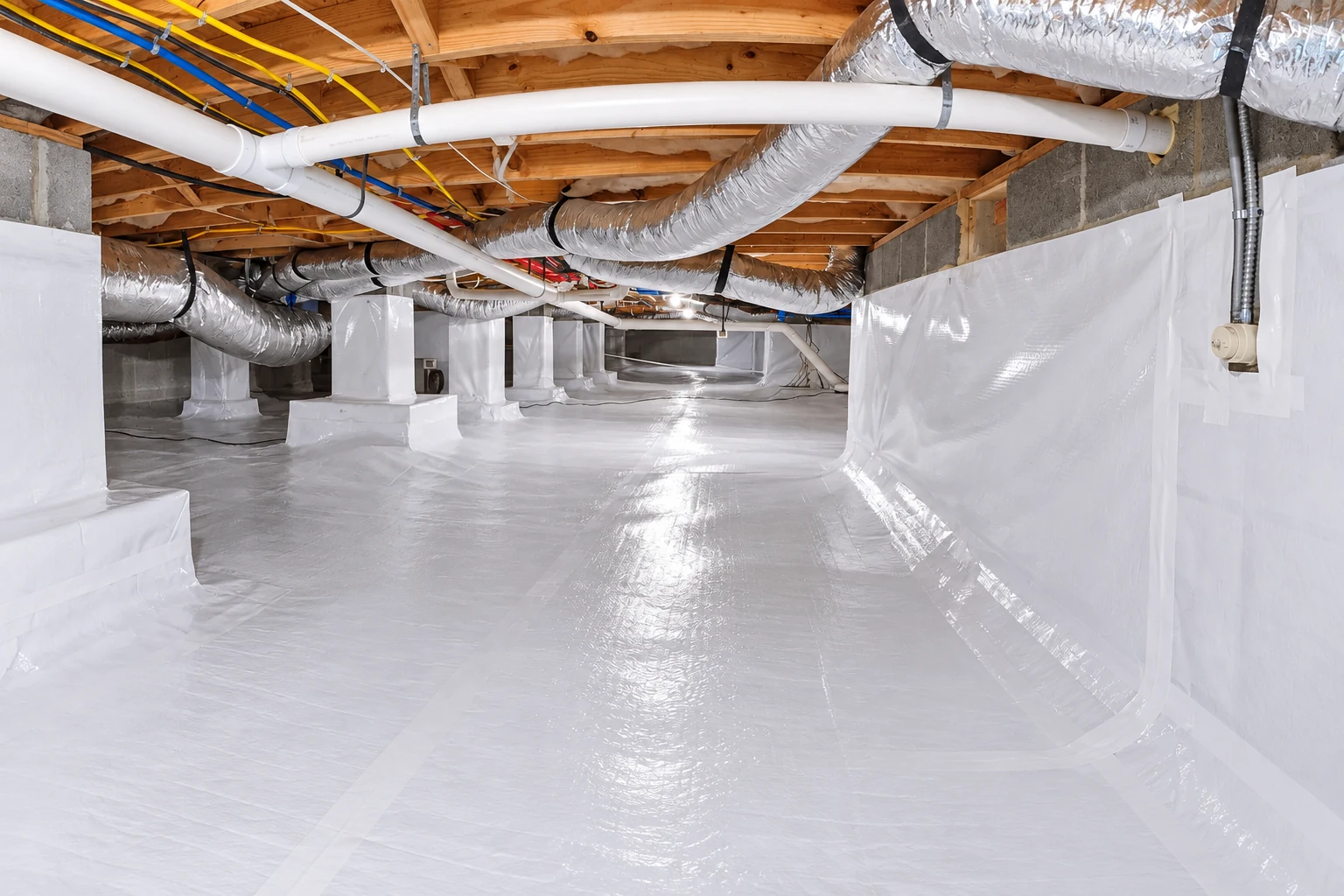
Under the floor, the ground matters. Much of Santa Clara sits behind levees, and properties both inside and outside the mapped flood zone can still take on water, so before we put anything in a crawl space we check for standing water and damp soil. Insulation over a wet crawl space just holds moisture against your floor framing, so fixing the water and laying a vapor barrier come first.
- Call (669) 205-6284
- Mon–Fri: 6 AM–11 PM, Sat–Sun: 7 AM–11 PM
- Gilroy, CA 95020
What we do for Santa Clara homes
Attic insulation
Older attics here are often deep in the middle and thin at the eaves, which is backward from where the heat gets in. We seal around the lights, pipes and hatch first, keep the eave vents clear so the attic can breathe, then bring the coverage up evenly to the edges.
Insulation removal
When old insulation is soaked from a past roof leak or full of rodent droppings, laying more on top just buries the problem. We vacuum it out, clean the attic and make sure the cause is fixed before anything new goes in.
Wall insulation
Plenty of older houses here have little or nothing in the outside walls, which is why some rooms stay cold no matter where the thermostat sits. Our wall insulation work fills those cavities through small holes we patch afterward, so you don't have to open up the drywall.
Crawl space vapor barrier
On flat, low ground like this, crawl spaces can stay damp, and that moisture works its way up into the floor and the house. We lay a vapor barrier over the soil, sealed at the seams and up the walls, before any insulation goes under the floor.
Spray foam insulation
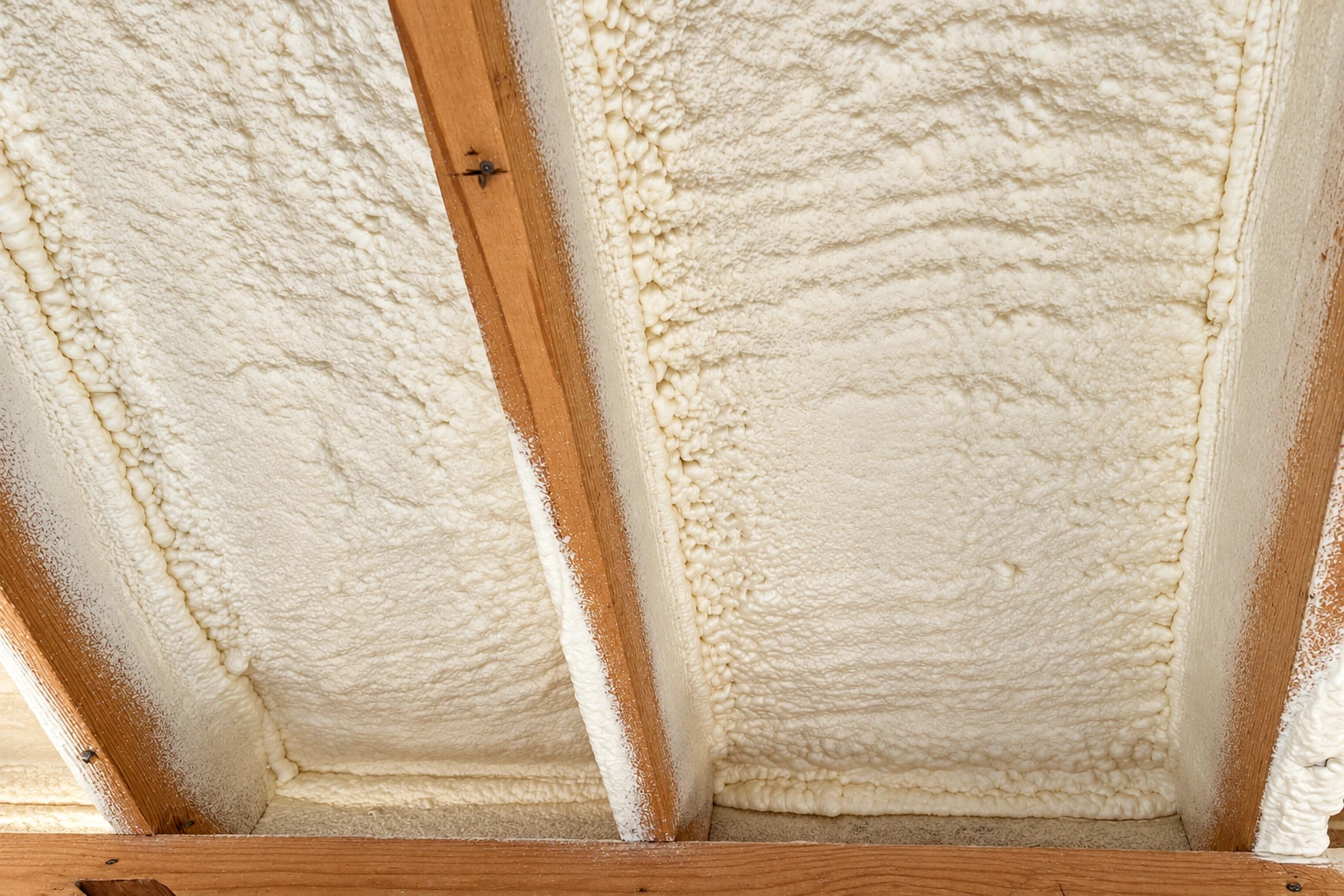
Cathedral ceilings, low-slope roofs and older add-ons leave tight rafter spaces that loose fill can't reach well. Spray foam fills and seals those spaces in one step, and we tell you ahead of time about the re-entry time, the wait before you can come back in.
Commercial insulation
Santa Clara has a lot of offices, shops and light industrial buildings, and property managers call us when tenants complain about hot or cold suites. We plan the work around your tenants' hours so the building keeps running while we insulate.
What happens after you call us about a Santa Clara job
Call or send the form
You call (669) 205-6284 and I pick up, or I call you back, and I'll ask a few questions about the house, like its age and which rooms bother you. Then we set a time for me to come out.
I look and write a plan
I check the attic, walls or crawl space myself, measure how many inches are already up there and note anything that has to be fixed first, like a leak or old wiring. You get a written plan that walks through each step and what drives the price, so you know the cost before anyone starts.
Permit, then the work
If the job needs a city permit, we pull it and line up inspections, and the work waits until it's issued. Our installers then go in order, cleanup first, then sealing, then insulation, and they'll tell you if and when you need to be out of the house.
We walk the finished job
Before we pack up, I go over the finished job with you so you can see the depth, the sealed gaps and the clear vents. The work is backed by our satisfaction guarantee.
Get a written insulation plan for your Santa Clara home
We reply within 1 business day, and I come out to your Santa Clara home for a free on-site estimate with no pressure to book. After you send the form, I call to set a time, look over the attic, walls or crawl space, and walk you through a written plan.
- Licensed and insured.
- Phone
- (669) 205-6284
- Location
- Gilroy, CA 95020
- Hours
- Mon–Fri: 6 AM–11 PM, Sat–Sun: 7 AM–11 PM
Questions about insulation in Santa Clara
Do I need a permit to insulate my house in Santa Clara?
It can, and we confirm it for your job with the city's Permit Center before work starts. The city requires a permit before a building is altered, repaired or improved, and its building permit page gives examples like decks, patio covers and sheds rather than insulation. If yours needs one, we pull it and set up the inspections.
Does an insulation contractor need a California license?
Yes, the state licensing board requires one whenever the job needs a building permit, uses any extra workers, or totals $1,000 or more in labor and materials across one or more contracts. That line used to be $500, so older advice you find online may be off. Ask any contractor for their license before you sign, and we're licensed and insured.
Do I have to switch my gas furnace to electric when I insulate my Santa Clara home?
No, the city says its reach codes, its extra energy rules, apply only to newly built buildings for now, and owners don't need to replace existing gas appliances with electric ones. Insulating an existing house doesn't force a furnace or water heater swap. If a heat pump is in your future, tightening up the house first is usually the right order.
How much does attic insulation cost in Santa Clara?
Your price comes from what I find in your attic, so I put it in your written plan after a look instead of guessing over the phone. The biggest swings are whether old, dirty insulation has to come out, how tight the attic is to work in, and whether ducts up there make foam worth it. Topping up a clean attic with loose fill is usually the least expensive route.
How do I know if my attic needs more insulation?
Look in from the hatch with a flashlight, and if you can see the tops of the ceiling joists, you likely need more. Other signs are thin spots at the edges, dark or matted patches from old leaks, and rooms that stay hot well after sundown. When I come out, I measure what's there and tell you what's worth keeping.
What causes the room over the garage to be so hot in Santa Clara houses?
Usually it's thin or missing insulation in the floor and the knee walls, the short walls under a sloped ceiling, plus air leaking up from the garage. We seal those gaps first, then insulate the floor and walls, often with foam because the spaces are tight.
Tell us about your Santa Clara house
A quick call with the age of your house and which rooms bother you lets me plan the right look before I drive up.
Request an estimateCall (669) 205-6284